Absolutely Chekhov
Short plays by Anton Chekhov and a new theatrical introduction are brought together in an anthology. Comic portraits of performance, courtship, and disappointment reveal the frustrations and unexpected turns of ordinary lives.
54 shows
Clear filtersShort plays by Anton Chekhov and a new theatrical introduction are brought together in an anthology. Comic portraits of performance, courtship, and disappointment reveal the frustrations and unexpected turns of ordinary lives.
Incidental music by George Frideric Handel, including an overture and songs for Acts 1 and 4, was composed for a planned production of Tobias Smollett’s now-lost play based on Euripides. The production was rehearsed at Covent Garden but never staged.
Short plays by Samuel Beckett are interwoven with contemporary vocal music. The combined performance explores isolation, memory, the body, and the unstable boundary between speech and silence.
The American Dance Machine was a theatrical dance company created by Lee Theodore, which played on Broadway at the Century Theatre, opening Jun 14, 1978 and in total running 199 performances. It was duplicated with a second cast for the American Dance Festival at Duke University in 1978.
A stage cantata for eight sopranos and 15 instrumentalists, composed within Goeyvaerts’s broader Aquarius project.
This one-act scenic cantata by Simon Mayr, with a libretto by Giovanni Schmidt, was composed for Isabella Colbran to perform as Ariadne. Bacchus is also listed among its roles.
Short plays by Samuel Beckett share the stage with contemporary Irish vocal music. The juxtaposition explores absurdity, loneliness, memory, and the expressive possibilities of language and sound.
Blast! is a Broadway production created by James Mason for Cook Group Incorporated, the director and organization formerly operating the Star of Indiana Drum and Bugle Corps.
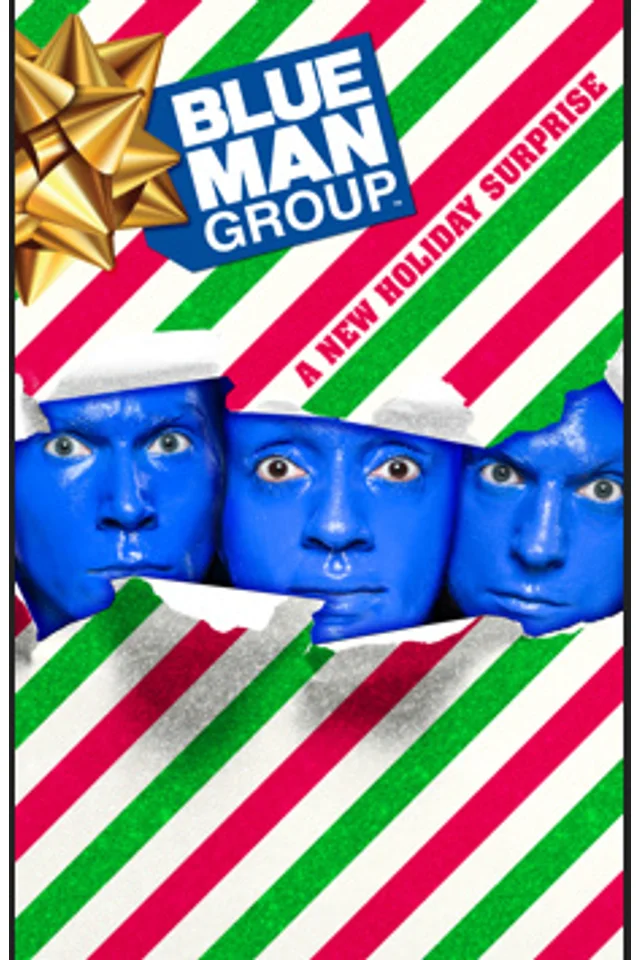
The Blue Men encounter seasonal rituals, decorations and the unpredictable business of celebrating the holidays. Physical comedy, visual experiments and holiday music played on custom-built instruments turn familiar traditions into an interactive theatrical spectacle.
Two plays revisit familiar cultural stories: Botticelli navigates desire and political danger while painting The Birth of Venus, and Lot’s wife recounts the visitors and violence that led to the destruction of her home.
Bugs Bunny on Broadway (also titled Bugs Bunny at the Symphony and Bugs Bunny at the Symphony II) is a concert musical featuring Looney Tunes characters such as Bugs Bunny, Daffy Duck, and Elmer Fudd. The production was conceived by George Daugherty, incorporating scores by Carl Stalling and Milt Franklyn. The musical, and its 2010 sequel Bugs Bunny at the Symphony, combines classic Warner Bros. Looney Tunes projected on a large screen accompanied by a live orchestra performing the original score. This production team has been touring the world continuously since 1990 and has played to a total international audience of almost 2 million people.
Wearing a chandelier transformed into a costume, Steven Cohen enters spaces marked by social exclusion. Live performance and documentary images confront the visibility, vulnerability, and displacement of people living in a Johannesburg settlement.
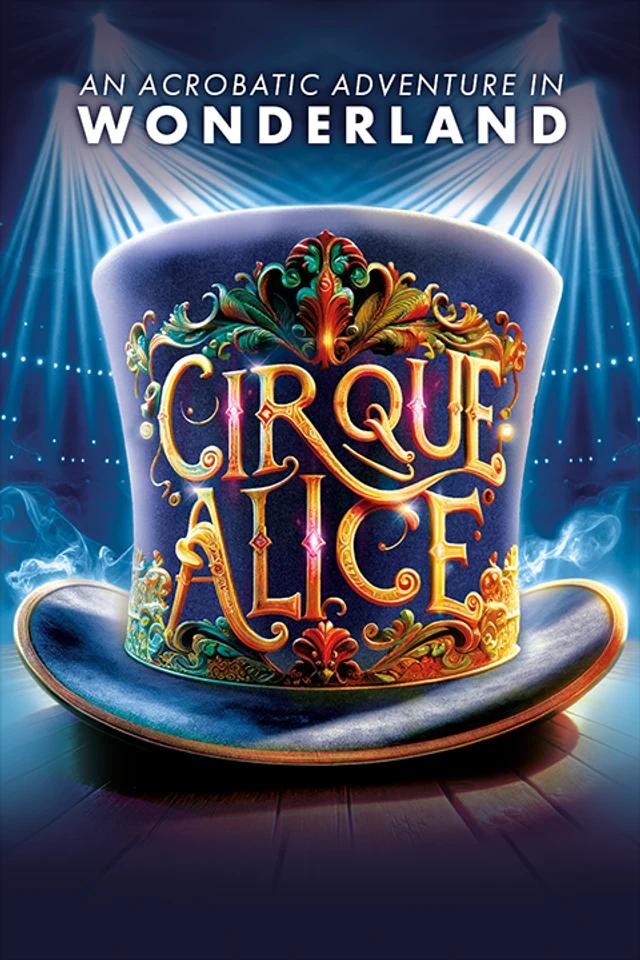
Inspired by Lewis Carroll's Alice stories, this circus show combines acrobatics, aerial performance, puppetry, dance and music.
Comedy in Music is an original Broadway comedy by Victor Borge, with no additional cast involved, performed as a one-man show.
A four-part vocal and orchestral theatrical work. Its sections set the 1581 Act of Abjuration alongside texts on shipbuilding and matter; Hadewijch’s Seventh Vision; writings connected with De Stijl, Piet Mondrian, and Schoenmaekers; and sonnets by Willem Kloos with extracts from Marie Curie’s diary and Nobel speech.
Lucifer challenges Michael to a race of the years, trying to stop time while Michael repeatedly finds ways to restart it. Four dancers represent years, decades, centuries and millennia; four musical groups play corresponding temporal layers.
A sung-through comic ballet based on an episode of Don Quixote in which a Duke and Duchess devise an elaborate ruse to fool the knight.
Eddie Izzard revisits and reworks material from three decades of stand-up. Familiar routines take new turns through improvisation, surreal observations, and the shifting connections of a retrospective comedy performance.
A serenata by J. A. Hasse, titled Aeneas in Chaonia in English, to a libretto by Luigi Maria Stampiglia.
Faust bargains with Méphistophélès for a single encounter with Helen of Troy. He demands that the demon summon Hélène, who rejects him to avoid causing more deaths in her name. Faust persists and falls in love, but Méphistophélès warns that she must return to the grave or Faust will be damned. When Paris’s ghost claims her, Faust fights him and is struck down.
A Christmas pageant and four-act Irish fairy pantomime described as a political satire that was mildly subversive after the Easter Rising. The score appears lost and only the libretto survives.
A movement-based adaptation of Mary Shelley’s Frankenstein explores the relationship between a creator and his creature.
God returns in a floral power suit to answer questions and scrutinize human behaviour. Mike Delamont’s Scottish deity turns subjects ranging from religion to popular culture into an irreverent solo comedy about the world people have made.
Hercules returns from war with Princess Iole, provoking his wife Dejanira’s jealousy. Believing a blood-soaked cloak will restore his fidelity, she sends it to him; the poison kills Hercules, and Dejanira descends into madness. Iole pities her, while Hercules is taken to Olympus and his son Hyllus is promised to Iole.
Musicians and storytellers recount the story of the SS Edmund Fitzgerald, from its maiden voyage to its sinking on Lake Superior, through the music of Gordon Lightfoot.
Into the Hoods -- "An Urban Fairy Tale" is a hip hop/musical created by London-based hip hop dance troupe ZooNation, and conceived and directed by the choreographer Kate Prince. The basic premise of the show is a hip-hop take on the Stephen Sondheim musical Into the Woods. The plot follows four children as they get lost in the hood and try to retrieve an iPod, a weave, a pair of trainers, and a hoodie, in exchange for a way home. On their travels, they meet a variety of characters, each with their own story. The show features a wide range of dance, but has almost non-stop hip hop dancing. Into the Hoods took place at the Novello Theatre in London and featured music from Gorillaz, Massive Attack, Basement Jaxxx, Run-DMC and other hip hop artists. Into the Hoods had a large cast of break and hip hop dancers including Britain's Got Talent 2008 winner George Sampson, Got to Dance winner Akai Osei and Mr Gee, the resident poet on Russell Brand's BBC Radio 2 show.
Kings of the Dance is a dance program featuring leading ballet dancers and a selection of choreography.
A soldier trades his violin to the Devil for a book that brings wealth, only to find that three days with the Devil have cost him three years at home. He later loses his wealth to break the Devil’s hold, uses his violin to revive a sick princess, and marries her. When he crosses a forbidden boundary, the Devil takes the Princess away. The work combines spoken drama, dance, and music; the Princess is a usually silent dancer role.
Two-part oratorio by Alessandro Stradella.
Constance, Princess of Navarre, escapes captivity in disguise and finds refuge with Don Morillo. His daughter Sanchette loves Alamir, but Alamir falls in love with Constance. Alamir protects Constance from the Castilian king, then returns from battle and reveals he is the Duke of Foix, allowing him to marry her. Three acts end with musical divertissements.
A three-part secular oratorio by Frank Martin based on the medieval Tristan and Iseult story as reconstructed by Joseph Bédier. The entry does not describe the plot.
A collection of Harold Pinter's short plays and sketches explores the hostility, uncertainty, and absurdity beneath ordinary encounters. Comic conversations gradually reveal struggles for control and the threat of violence.
The nine Muses, driven from Greece and Italy by invading forces, wander in search of a new home and find one in Britain, where a welcoming king and queen receive them. The court masque includes comic anti-masques set in a City of Sleep and concludes with an aerial ballet in which Henrietta Maria descends as an Earthly Deity.
A sequence of eleven songs and interludes traces the rise and collapse of Mahagonny. People seek escape in the gold town, enjoy its pleasures, confront moments of despair, answer accusations about their lives, and watch the city crumble.
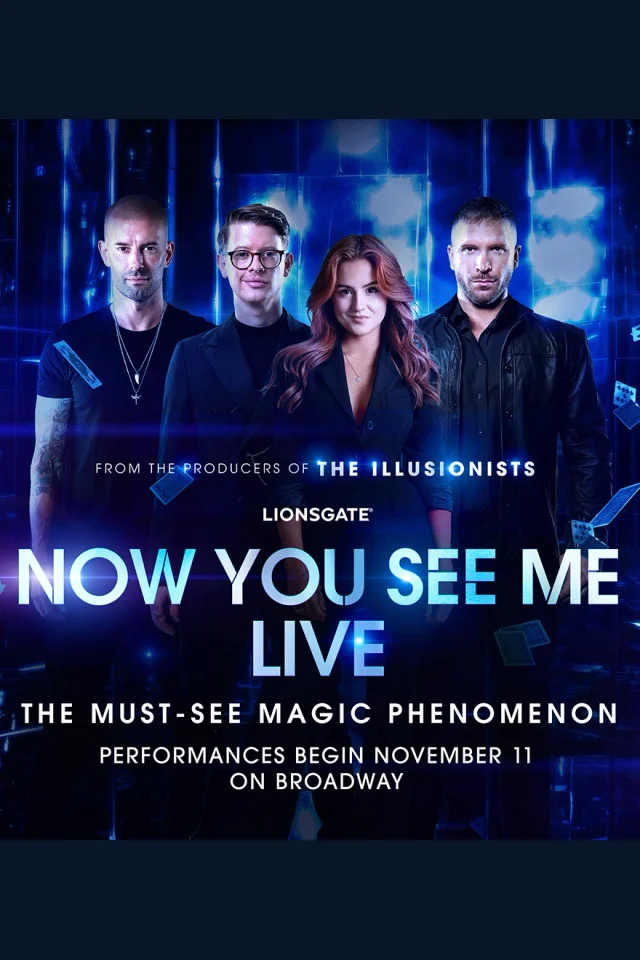
A team of illusionists takes on the identities of the Four Horsemen in a live magic show inspired by the Now You See Me films. Large-scale illusions, escapes and sleight of hand combine with a heist-themed presentation.
A three-part mélodrame about Persephone, structured as her abduction, her time in the underworld, and her rebirth.
A sequence of nine sections draws on different versions of the Prometheus myth through texts by Aeschylus, Walter Benjamin, Rainer Maria Rilke and others, without narrating one version literally.
A fully staged three-act Italian musical work with a spoken prologue, written by Emilio de’ Cavalieri to a libretto by Agostino Manni. Scholars debate whether to classify it as an opera or oratorio.

Eight performers explore stories from their families’ pasts through acrobatics, dance, and physical theatre. Ordinary rooms become unstable spaces as ancestral experiences and present-day identities meet in a contemporary circus performance.
Sculthorpe’s music-theatre work depicts an Aranda initiation ritual through dance, double chorus and percussion and instrumental ensemble, without solo vocal parts. Its text combines Latin and Arrernte words with chants and material shaped by writings on social transitions.
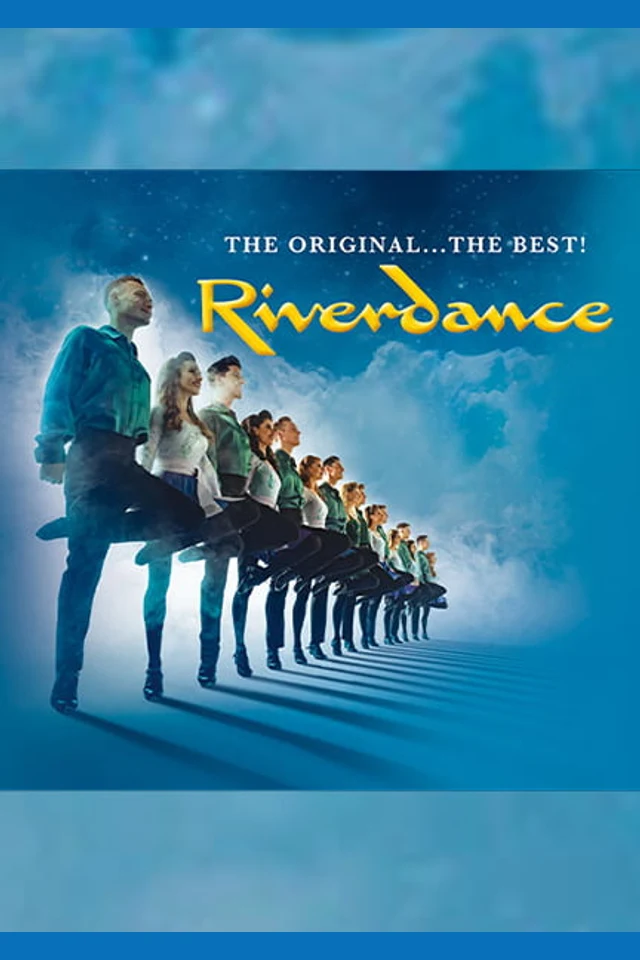
An Irish dance and music stage show featuring an international company of dancers and musicians.
A collaborative multimedia performance combining stories from sex workers in 17 countries with arias, poetry, hip-hop, spoken word, folk and jazz. It has no overarching plot; recurring material includes conflict between a sex worker and her anti-sex-work mother, the effects of criminalizing legal frameworks, and police raids targeting sex workers.

An ensemble of women moves through comic sketches and songs about gender, power, and everyday expectations. Relationships, work, politics, and the demand to have it all become material for a satirical revue.
This ceremonial allegory praises Saint Wenceslaus and Bohemian virtue. It opens with a contest between Prince Václav and the Prince of Kouřim, which Václav wins by reason rather than force, and continues through three acts of allegorical religious praise and fortitude.
A biblical musical play juxtaposing Creation with the story of Noah and the Flood, compiled from Genesis and York and Chester mystery-play texts. It combines singing, spoken dialogue, orchestra, and ballet sequences; the seven parts include choreography for the building of the Ark and the Flood.
This seven-part biblical drama juxtaposes the Creation with the story of Noah and the Flood. It moves through the building of the Ark and the gathering of animals to the deluge and the covenant of the rainbow.
A solo theatrical telling of the Gospel of Mark presents the life, ministry, death, and resurrection of Jesus through the language of the King James Bible.
A masque about Sir Francis Drake’s 1572 expedition on the northeastern coast of South America. William Davenant’s text depicts Drake allying with the Cimaroons and presents the English as a humane alternative to the Spanish.
Two one-act comedies share a bill: theatre critics become entangled in a murder mystery in The Real Inspector Hound, while a blackout exposes social pretence and hidden relationships in Black Comedy.
The 2023 Soulpepper Academy ensemble presents work developed through its collaborative training program. The showcase brings together the artistic perspectives of Theresa Cutknife, Charlotte Dennis, Landon Krentz, Ziska Louis, and Kayla Thomas.
A reclusive poet walks through town on successive Sundays with a unicorn, a gorgon and a manticore. The Countess and townspeople imitate him, repeatedly discarding one creature for the latest fashion. When the poet misses a Sunday, they assume he has destroyed his last pet and attack his castle, where they find him dying beside all three creatures; he condemns their conformity and bids farewell to his imagined companions.
Tommy Tiernan moves through characters, memories, and unlikely associations in a physical stand-up performance. Everyday experience becomes the starting point for surreal stories and abrupt shifts between reflective observation and unruly comedy.
An ensemble uses physical theatre and clowning to observe the people, encounters, and rhythms of Toronto. City life becomes a sequence of comic and lyrical scenes seen through a collective theatrical lens.
A large-scale operatic oratorio–cantata by Théodore Gouvy.
Showing 54 of 54 shows